IQ Design: AI-Powered Interior Design Platform
Interior design is a deeply visual, highly personal process, yet the technology supporting it was largely transactional. We partnered with IQ Design to build an AI-native platform that understands what a homeowner sees and feels, then translates that into curated, shoppable product recommendations. Built in five phases over multiple MVP iterations.
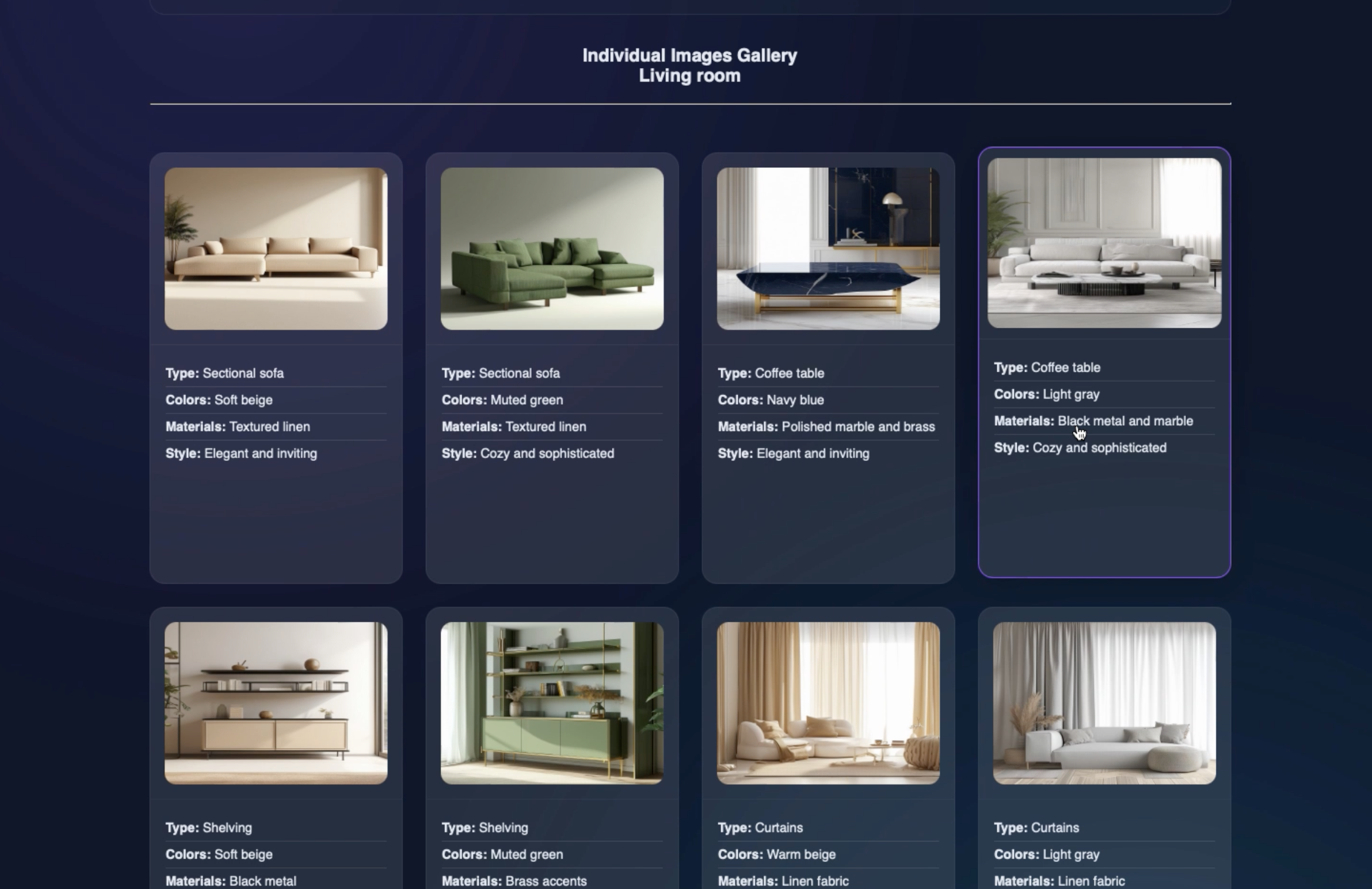
The Opportunity
Most furniture discovery tools are keyword-driven: you search "gray sectional sofa" and get a list. But the way homeowners actually think about design is visual and emotional: they see a room in a magazine, save a Pinterest photo, feel a mood. The gap between "I want something like this" and "here are the products you can buy" was enormous.
IQ Design's vision was a platform that could bridge that gap intelligently, accepting inspiration in multiple forms and returning recommendations that actually matched intent, not just keywords.
Platform Demo
A walkthrough of the platform in action, from inspiration capture through to curated product recommendations.
A Five-Phase Build
Rather than trying to build everything at once, we scoped a phased roadmap that delivered value at each stage while building toward the full vision. Each phase was a working MVP.
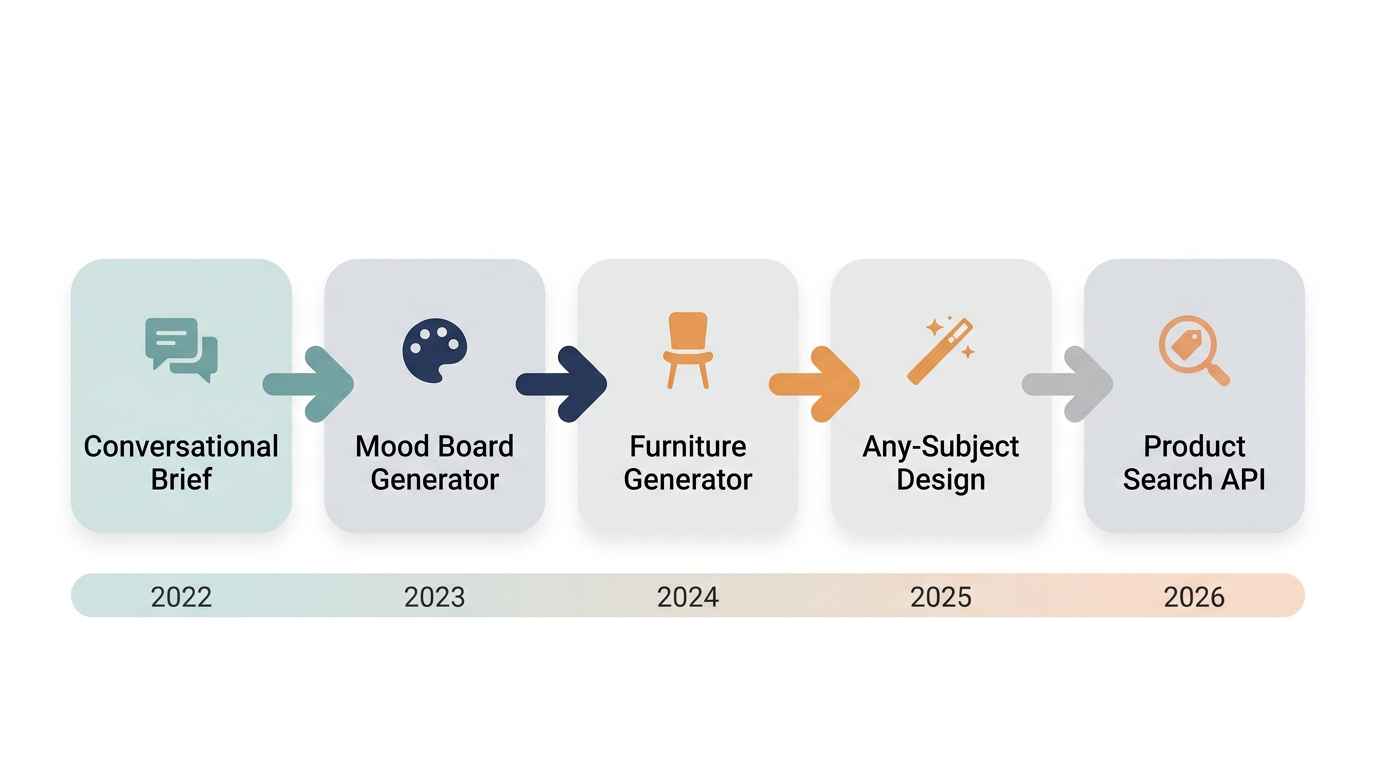
Five build phases, each delivering a working product while adding capability toward the complete platform.
- Phase 1: Vision Capture: Users upload inspiration images (rooms, moods, reference photos). The AI extracts design attributes: color palette, style category, material preferences, furniture silhouettes.
- Phase 2: Intent Understanding: A multimodal layer processes both image and natural language input, allowing users to describe what they want verbally or by example, then combine the two.
- Phase 3: Semantic Product Search: We built a vector search layer over the product catalog, enabling the system to match extracted design attributes to actual inventory with semantic precision, beyond keyword matching.
- Phase 4: Personalization Engine: Preference signals from user sessions informed a recommendation layer that learned individual style over time, improving result relevance on repeat visits.
- Phase 5: Curation and Commerce: Final integration with purchase flows, room visualization tools, and stylist handoff for high-consideration decisions.
Multiple Input Modes
One of the distinguishing features was flexibility in how users communicate their vision. Not everyone thinks in visual references. Some describe in words, some show reference rooms, and some point to a single object they love. The platform was designed to accept all of these inputs and synthesize them coherently.
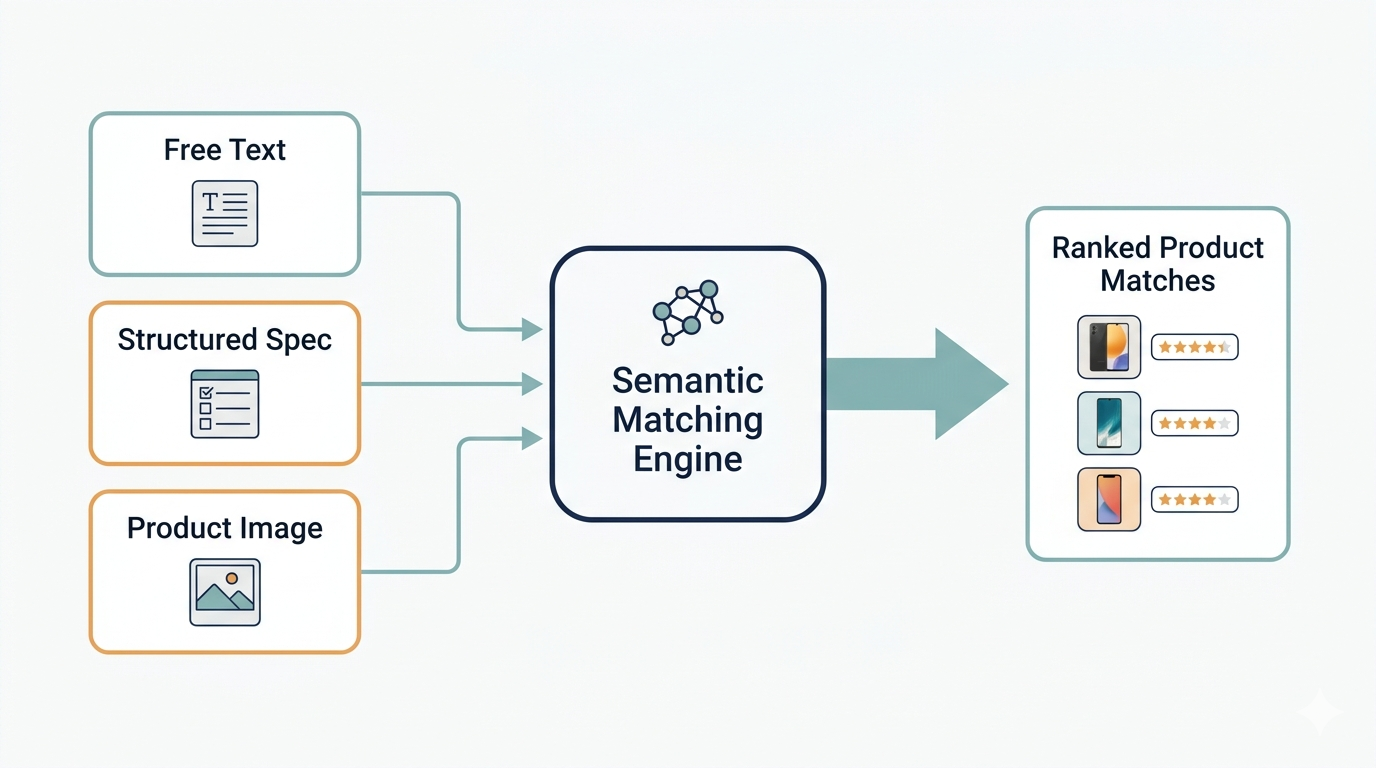
Image upload, text description, URL import, and direct object identification: multiple ways to capture design intent.
Taxonomy and Classification
A significant portion of the work involved building a robust design taxonomy that could serve as a shared language between what the AI extracts from inspiration content and what exists in the product catalog. Generic product categories weren't sufficient; we needed a system that understood design style, material, form, and context.
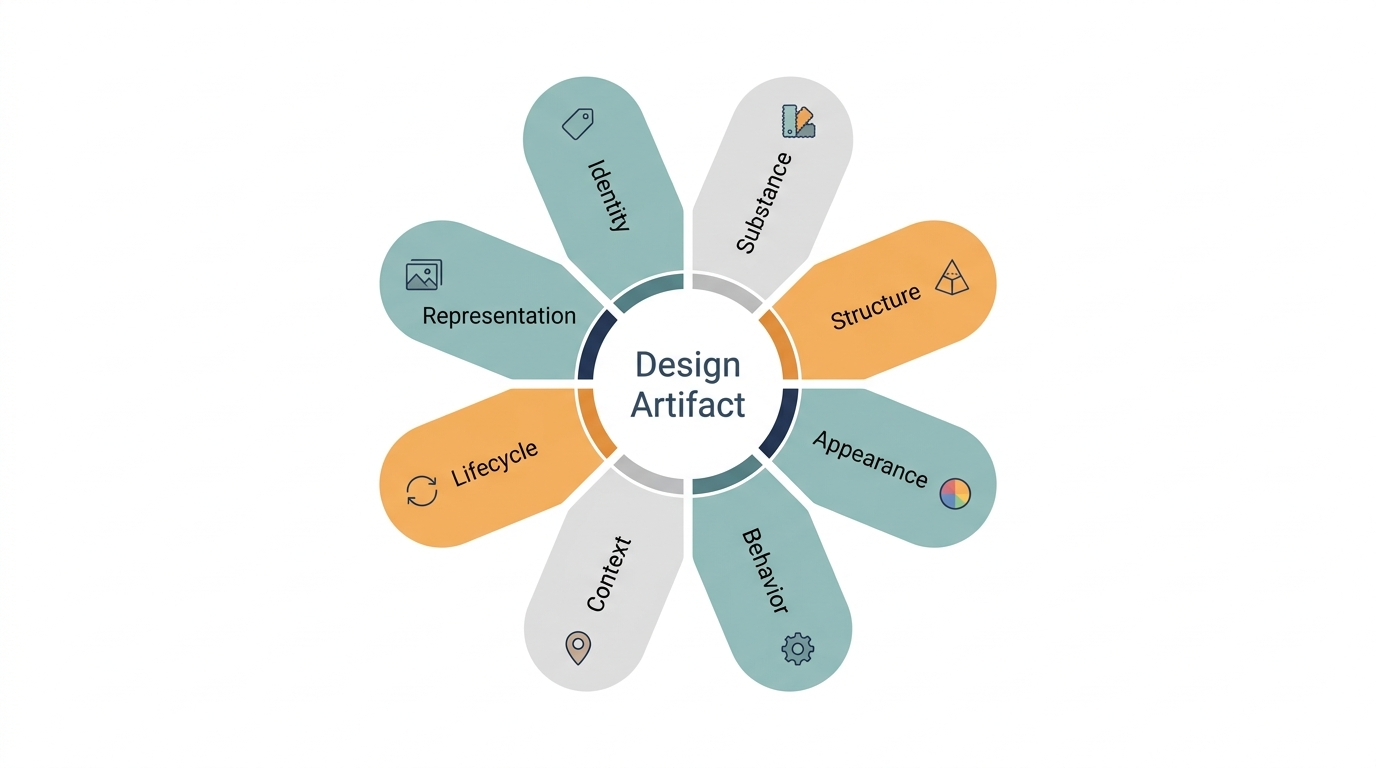
A structured design taxonomy enabling precise semantic matching between user intent and product inventory.
Outcomes
- Full five-phase platform delivered across multiple iterative build cycles
- Semantic search consistently outperformed keyword search in user satisfaction testing
- Multi-modal input (image + text) reduced the gap between inspiration and actionable product discovery
- Phased approach meant the client had a working, testable product at every stage, not just at the end
"They have been fiercely committed to ensuring the technology centers on solving a particular problem."
Why Phased MVP Matters
This project is a good example of the roadmap-to-MVP approach we use on complex AI product builds. Rather than specifying everything upfront and delivering six months later, each phase produced real user feedback that shaped the next. The taxonomy in Phase 3 was refined based on what we learned in Phases 1 and 2. The personalization engine in Phase 4 was informed by the actual patterns that emerged in user sessions, not assumptions made in a kickoff meeting.
That iteration loop is why the final product was actually useful, not just technically impressive.
Building an AI product and need a clear roadmap? Explore AI Roadmap Planning →